Dubai, UAE – InternetShine Technologies is excited to announce the highly anticipated seventh edition of the FiNext Conference, set to take place in the dynamic city of Dubai. Renowned as a leading event in the financial technology sector, FiNext continues to drive innovation, and this year’s conference will uphold that legacy.
Join us for a transformative experience at the FiNext Awards & Conference, organized by InternetShine Corporation USA. Scheduled for February 10-11, 2025, at the Pullman Dubai Downtown, Business Bay, the event will bring together over 1,000 industry leaders, investors, startups, fintech companies, banks, and government bodies. It will provide a premier platform for networking, learning, and pioneering new ideas in the financial services sector.
Explore the future of finance during our exclusive two-day conference. Engage with key decision-makers and innovators from leading banks, financial institutions, and tech companies. Discover the latest trends in fintech and gain insights into digital finance, crowdfunding, peer-to-peer funding, and financial modernization. This is an unmissable opportunity to connect with experts who are reshaping the finance industry.
Anas Jawed, CEO and Co-Founder of InternetShine, highlights the company’s dedication to collaboration and technological progress, positioning the FiNext Conference as an essential event in building a global network for financial sector transformation.
Co-Founder and Event Advisor Shujat Siddiqui adds, “FiNext offers a unique platform for both traditional financial institutions and fintech companies to form strategic partnerships in a focused setting, driving growth in the global finance industry.”
Overview: The FiNext Conference seeks to bridge the gap between traditional banking and emerging technologies, showcasing the latest in fintech, AI, and blockchain. Attendees will have access to informative sessions, engaging panels, and valuable networking opportunities with industry leaders.
Agenda Highlights: The two-day event will feature:
● Opening remarks from the Conference Chair
● Panel discussions on topics like “The Future of Financial Services with AI, ML & Fintech” and “Women in Fintech”
● Insightful sessions on “Open & Connected Banking” and “Digital Innovation and Entrepreneurship”
● The prestigious Award Ceremony honoring outstanding achievements in finance
Networking Opportunities: Attendees will have the chance to participate in one-on-one meetings, hear keynote speeches, and explore innovative solutions in the exhibition area. The conference is designed to foster connections and collaboration among professionals in the finance sector.
Who Should Attend: The FiNext Conference is ideal for C-level executives, decision-makers, and leaders in banking, insurance, fintech, and technology. It’s a must-attend event for anyone looking to stay at the forefront of the rapidly evolving financial landscape.
About Internetshine Technologies Pvt Ltd: Internetshine Technologies Pvt Ltd, a subsidiary of Internetshine Corp. (Greenbelt, Maryland, USA), is a leading event organizer specializing in industry-specific conferences and expos. With a track record of successful events in finance, agriculture, energy, and more, Internetshine continues to connect professionals and industries worldwide through innovative and impactful events like FiNext Conference, AgriNext Conference, TechNext AI & Cybersecurity Summit, DSCNext Conference, PolyNext Conference and many more.
Get Involved: Join us in Dubai for an unparalleled experience of learning, networking, and celebrating excellence in finance. Register now to secure your place at this influential gathering of industry leaders.
For more information and registration, please visit www.finextcon.com or contact us at contact@finextcon.com.
Contact: FiNext Conference
Phone: +1 240 356 3333
Email:contact@finextcon.comWebsite:www.finextcon.com
Revolutionary Platform Processes 15 Terabytes of Daily On-Chain Data, Bringing Wall Street Infrastructure to DeFi Trading
METAsol emerges as the leading institutional intelligence and execution engine built specifically for the Solana blockchain ecosystem. Under CEO Logan Pietroforte’s leadership, the company delivers Wall Street-level infrastructure to decentralized finance.
The Challenge Solana’s ecosystem generates massive data volumes. METAsol processes over 15 terabytes of on-chain and mempool data daily while monitoring more than 5,000 newly launched tokens. Human traders cannot compete when opportunities appear and vanish in milliseconds.
The noise of scams and failures drowns out genuine signals, and missing that crucial genesis event means losing the trade entirely.
Three-Tiered Technology Stack
METAsol has built a sophisticated infrastructure under Pietroforte’s direction:
The Synapse Network (Data Ingestion): A global network of bare-metal Solana validators streams decoded data in real-time, including unconfirmed mempool events. The system identifies trades before confirmation.
The Cognitive Core (Intelligence & Analytics): A petabyte-scale data architecture indexes the entire Solana ledger. AI and machine learning layers identify on-chain actors, profile behaviors, and predict market trajectories.
The Reflex Engine (Execution): A low-latency HFT engine executes thousands of trades per minute, from first-block sniping of new token launches to complex momentum and arbitrage strategies. Pietroforte calls this infrastructure the company’s “unfair advantage.”
Product Suite
METAsol offers three products built on this infrastructure:
The METAsol Terminal: A real-time analytics dashboard providing live predictive trending scores, alerts for high-potential token launches vetted by security scanners, and visibility into the live profit and loss of every profitable trader on Solana.
Quantum Yield Vaults: Designed for DAOs, funds, and individuals. Participants deposit $SOL or $USDC and let the METAsol engine trade on their behalf. Strategies range from risk-managed arbitrage to high-growth genesis sniping.
Developer API: A high-throughput API allowing third-party developers to build on METAsol’s platform. Access real-time data streams, wallet intelligence, and trend-analysis tools to create new DeFi applications.
Pietroforte describes this combination as “infrastructure for the future of on-chain value creation.”
Token Economics
The $METASOL governance token sits at the ecosystem’s heart. Token holders gain:
Governance rights over key decisions including trading strategies, treasury management, and engine evolution.
A share in protocol revenue via a staking model paying out in blue-chip assets like $SOL and $USDC.
Participation in a “Liquidity Flywheel” where protocol fees deepen on-chain liquidity, reinforcing the token’s long-term health.
METAsol’s roadmap positions $METASOL as the economic heartbeat of the entire engine.
From Reactive to Genesis
Traditional tools analyze after the event. METAsol creates the event. Pietroforte explains the engine moves beyond reactive measures: “We are the Genesis of trends.” From first-block token snipes to predictive momentum trading, METAsol positions itself as the source of alpha, not just a tracker.
Looking Forward
As the Solana ecosystem expands, the need for institutional-grade architecture intensifies. METAsol stakes its claim to fill that gap under Logan Pietroforte’s leadership. For those seeking to navigate high-speed, high-volume on-chain trading, the message rings clear: intelligence, execution, and access must be built, not discovered.
About METAsol
METAsol is an institutional-grade intelligence and execution engine built for the Solana ecosystem. Learn more at https://metasol.ai/Contact Information:
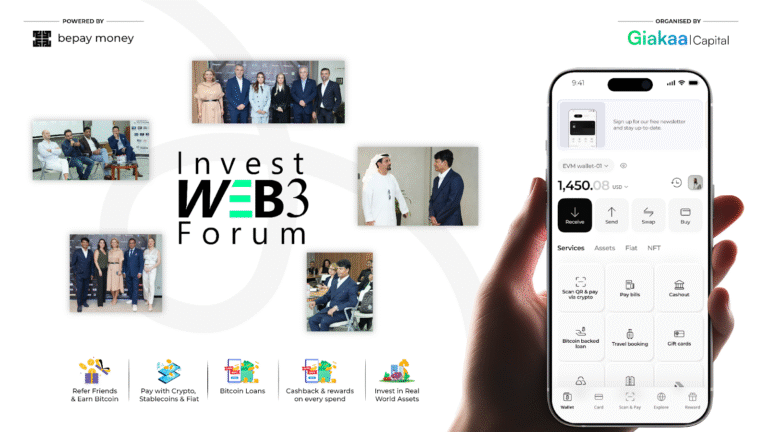
DUBAI, UAE – October 16, 2025 – The Invest Web3 Forum 2025, powered by bepay money in partnership with Giakaa Capital, concluded its 3rd and most successful edition at Dubai Knowledge Park. The forum united representatives managing over $500 billion in assets, alongside 80+ institutional investors, 100+ Web3 projects, and 2,000+ industry leaders from 50+ countries, marking a defining moment for global Web3 and fintech collaboration.
Under the central theme “Catalyzing Web3 with Capital,” the event reinforced Dubai’s role as a global innovation and investment hub for blockchain, digital assets, and cross-border finance.
bepay money Showcases the Future of Payments
As the Powered By Partner, bepay money demonstrated its cutting-edge global payment infrastructure designed for institutions, merchants, and enterprises, offering instant, FX-free settlements across fiat, stablecoins, and tokenized assets, a breakthrough in seamless, compliant, and scalable cross-border finance.
During the event, bepay money unveiled two major initiatives:
The $1 Million Bitcoin Rewards Program
The company launched its $1 Million Bitcoin Rewards Program, designed to reward early adopters of its global super app. The program allows users to earn Bitcoin on every transaction, whether made through fiat, stablecoins, or tokenized assets, reinforcing bepay’s vision of merging everyday finance with digital asset utility.
bepay app offers users Swiss IBAN account with multi-currency on-chain banking, supporting CHF, EUR, USD, and CNY for seamless global transfers. Integrated UPI and PIX payment options provide local convenience, making international payments as simple as domestic ones. The platform also features cashback and loyalty rewards in addition to Bitcoin incentives, allowing users to enjoy real financial benefits while transacting across borders.
bepay business – Revolutionizing Global Merchant Commerce
bepay also showcased bepay business, its merchant commerce stack that enables retailers and enterprises to accept crypto, fiat, and stablecoins via QR codes, NFC, and APIs with cross-border near-instant settlements. The platform eliminates traditional 3–5 day settlement delays while providing on/off ramps, AI-driven analytics, real-time liquidity access, and developer & api solutions.
“Dubai’s position as a global digital finance hub made it the perfect stage to demonstrate how bepay money bridges traditional finance and digital assets through fast, compliant, and scalable solutions,” said Nawal Kishor, Founder & CEO of bepay money. “Our aim is to provide one comprehensive app for all your daily needs while enabling global payments and commerce in one seamless ecosystem. This forum exemplified our mission to simplify and accelerate institutional participation in the new era of digital finance.”
Event Highlights: “Catalyzing Web3 with Capital”
The forum featured a high-impact agenda curated to connect institutional investors with high-growth blockchain and fintech ventures.
Institutional Capital Forum: Investment strategies from $500B+ AUM representatives
Startup Pitch Showcase: 20+ founders presented to 80+ global investors
Innovation Theater by bepay money: Live demos of enterprise-grade cross-border payment infrastructure
Regulatory Leadership Forum: Policymakers shaping frameworks for institutional Web3 integration
Deal Flow Accelerator: Structured investor meetings driving new capital commitments
Giakaa Capital: Building Innovation Ecosystems
The forum was organized by Giakaa Capital, a hybrid venture capital firm building innovation ecosystems that bridge entrepreneurs, institutions, and policy leaders.
“Our mission with Invest Web3 Forum is to connect capital with innovation,” said Omika Dubey, Managing Partner at Giakaa Capital. “This year, together with bepay money, we created a platform where institutions, funds, and founders collaborated to shape the next decade of digital public infrastructure using blockchain and AI—aligned with the UN Sustainable Development Goals.”
With Dubai’s progressive regulations and thriving capital ecosystem, Invest Web3 Forum 2025 highlighted the growing institutional shift toward tokenized assets, compliant blockchain finance, and cross-border digital payments.
About bepay money
bepay money revolutionizes cross-border payments with a unified super app integrating fiat, stablecoins, and tokenized assets. Designed for institutions, enterprises, and individuals, the platform delivers instant settlements, DeFi yield access, and regulatory-grade compliance, empowering seamless global capital movement.
Visit:www.bepay.money
About Giakaa Capital
Giakaa Capital is a hybrid venture capital firm investing in Digital Public Infrastructure solutions leveraging Blockchain and AI to achieve the Sustainable Development Goals (SDGs). Its integrated model supports startups from Seed to IPO, combining strategic capital, corporate partnerships, and operational expertise.
Visit:www.giakaacapital.com
About Invest Web3 Forum
Invest Web3 Forum is the premier global conference for institutional blockchain adoption and Web3 investments. Under the theme “Catalysing Web3 with Capital,” it connects institutional investors managing billions in assets with blockchain innovators, advancing institutional integration of Web3.
Visit:www.investweb3forum.comAbout Orbis86 — Official Media Partner
Orbis86 is revolutionizing Web3 innovation through its Engage — Educate — Elevate approach, engaging users with personalized experiences, educating them on emerging technologies, and elevating their journey with seamless cross-chain integration. Throughout the year, we host global events that bring communities together to explore Web3 and AI, enabling meaningful discussions and collaboration. Our mission is to create an inclusive ecosystem where individuals can learn, grow, and shape the future of decentralized technology.
Visit:https://orbis86.com/Media Contact:For bepay money:
Adarsh, Founder’s Office,
Email:marketing@bepay.moneyFor Invest Web3 Forum:
Omika Dubey, Managing PartnerEmail: partner@investweb3forum.com
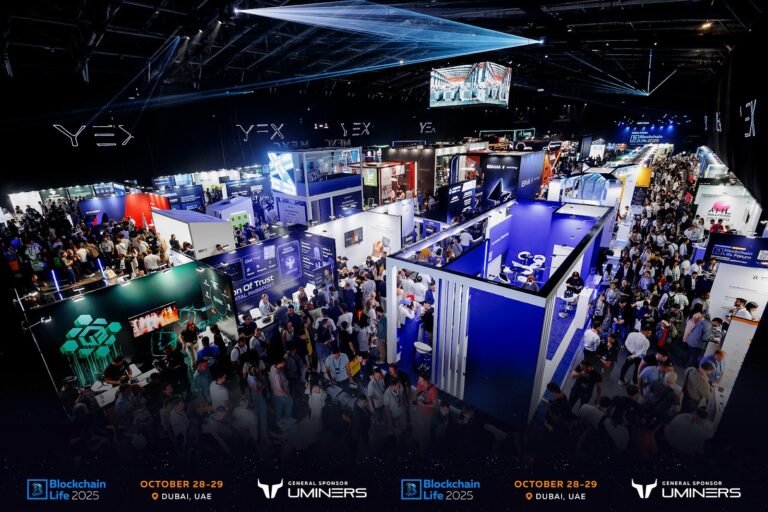
The 15th edition of the legendary crypto forum confirms its status as the leading global industry event. This event set a new record with 16,730 attendees from 130 countries, making Dubai the epicenter of the crypto world.
For this special anniversary, the Forum united industry pioneers, major companies, and innovative projects.
Over 160 speakers took to the stage, including global leaders and representatives of the largest ecosystems: Tether, Mastercard, DWF Labs, TRON, Mysten Labs (Sui), CoinMarketCap, TON, Ripple, Google Cloud, Animoca Brands, Trust Wallet, 1inch, Amazon, KuCoin, OKX, ADGM, dYdX, and many others.
The agenda was full of insider insights and exclusive analytics. Attendees discussed the most relevant strategies, new trends, and the future of digital assets, Web3, and mining.
One of the key highlights of the forum was the appearance of Pavel Durov, Founder of Telegram, who took the stage for a long-awaited announcement. During his speech, Durov introduced the launch of Cocoon — a new network combining the TON blockchain with decentralized AI technologies. The announcement instantly became one of the most discussed topics of the forum and the entire crypto industry.
Concluding his speech, the Founder of Telegram called on the audience to “stand up for their rights and freedom.”
The exhibition space featured 200 booths, where leading companies showcased their solutions. Among them: OKX, Bybit, KuCoin, HTX, Bitget, BingX, MEXC, Toobit, Bitmex, Ledger, Tron, Trust Wallet, Bitmain, Canaan, Uminers, and many others.
The highlight of the anniversary Forum was the OfficialAfterparty at Club Iris.
More than 1,300 VIP guests enjoyed an all-inclusive evening with fine dining, a vibrant show program, premium networking, and a special performance by Akon, which made the night truly unforgettable.
Around the Forum dates, Dubai also hosted over 300 side events, allowing every participant to immerse themselves into the global crypto community and enjoy networking and entertainment in multiple formats.
The next edition of Blockchain Life will take place in Dubai on December 1-2, right on the eve of the Formula 1 Grand prix.
Tickets and sponsorship applications at early bird prices are already available on the official website:
👉 https://blockchain-life.comGeneral Sponsor — Uminers
Organizers — Listing.Help and Jets.Capital
Afterparty General Sponsor – Bitmain.
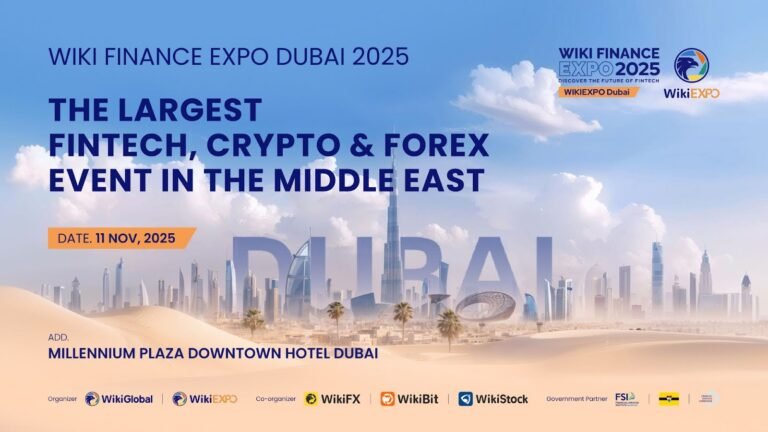
Dubai, November 11, 2025 — The highly anticipated Wiki Finance Expo Dubai 2025 is set to take place at the Millennium Plaza Downtown Hotel. As the largest gathering for Fintech, Forex, Crypto, Web3.0, and AI in the Middle East, this event promises to be a landmark occasion for the industry.
With over 5,000 attendees, 50+ speakers, and 70+ exhibitors, Wiki Finance Expo Dubai 2025 will showcase the latest trends and innovations in Fintech, Forex, Crypto, Web3.0, and AI. This is a must-attend event for anyone looking to stay ahead in the rapidly evolving financial technology landscape. Featuring industry leaders and innovators from around the world, the expo offers invaluable insights and networking opportunities.
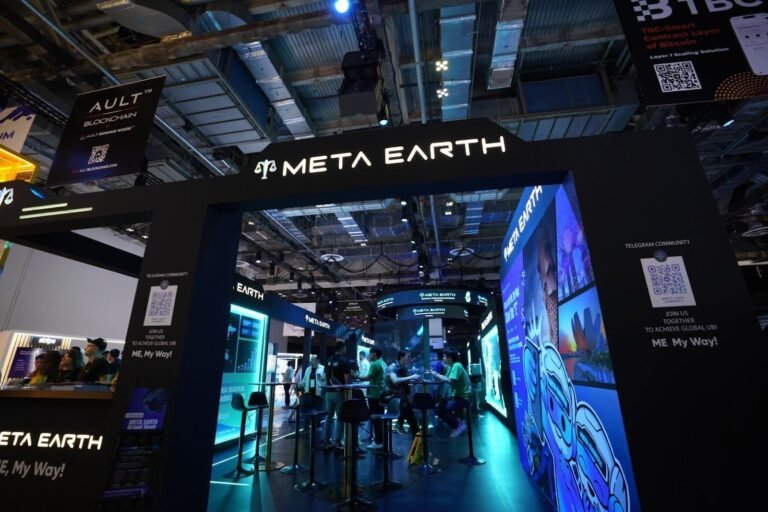
Singapore, October 2025 – The close of Token2049 Singapore underscored Meta Earth’s role in shaping the next phase of Web3. Across two days at Marina Bay Sands, Meta Earth combined modular blockchain demonstrations, verified identity issuance, and live community activities to highlight how its vision of verifiable participation is already moving from theory into practice.
Modular Design, Demonstrated in Public
Meta Earth’s booth showcased ME Network 2.0 in operation:
ME Hub as the settlement and $MEC issuance layer.
RollApp chains enabling customizable execution with IBC and EVM.
ME-DA using Data Availability Sampling and 2D Erasure Coding for cost efficiency.
By integrating these features into live demos, Meta Earth framed modular infrastructure not as a white-paper vision but as an operating system accessible to participants today.
Identity Printing Brings Digital to Physical
One of the most visited features was ME ID registration and card printing, allowing attendees to complete onboarding and leave with a physical identity linked to their on-chain profile. This direct experience illustrated Meta Earth’s principle of “One ID, One Vote” governance and bridged the gap between technical architecture and user interaction.
The ME ID Protocol is the core of the Meta Earth ecosystem and the foundation of its UBI-featured tokenomics. The tangible metrics on display grounded the project’s adoption narrative: with over 2 million verified users, 29 million+ Hub transactions, and zone nodes spanning more than 40 countries, Meta Earth positioned itself as a network with both proven global reach and deep local engagement.
Incentives Anchored in Verification
Meta Earth’s Lucky Draw program mirrored its philosophy of rewarding verified action: entry required ME ID verification and a social post. By the close of the conference, hundreds had taken part, underscoring the demand for gamified yet accountable engagement.
By anchoring incentives to verifiable participation, Meta Earth showcased its commitment to inclusive governance, ensuring that its values are expressed not only in vision but in concrete, measurable participation.
“Show the E” Airdrop Officially Launched
Token2049 served as the launchpad for the year-long “Show the E” airdrop (Sep 2025–Sep 2026). Framed around Equality, Ecology, and Earth, the initiative rewards sustained participation rather than speculation. Many attendees contributed photos and videos flashing the “E” gesture at the booth, becoming early participants in a campaign that translates values into measurable action.
The campaign saw immediate buy-in, with hundreds of attendees signing up and submitting content on-site, immediately populating a live map that visualized the project’s growing global footprint.
Positioning Into 2026
Setting the technical and philosophical tone for the event, CTO Daniel Maddern delivered a keynote titled, “Beyond Layer 1: Meta Earth’s Modular Network and Native DID for a Trusted Crypto Future.” Maddern articulated the core philosophy driving the project, detailing a technical roadmap designed to build a more equitable and scalable digital economy. His presentation set the stage for the event’s interactive elements, connecting the network’s architectural vision directly to its real-world applications in identity and community rewards.
By connecting technical architecture, identity frameworks, and community incentives into a single experience, Meta Earth reinforced its ambition to make Web3 a global public good—anchored in adoption that is verifiable, governance that is accountable, and participation that is sustainable.
“Token2049 Singapore demonstrated that modular blockchain and verifiable identity are not future aspirations but present realities,” Daniel Maddern said. “The responsibility now is to carry this momentum into long-term, inclusive infrastructure worldwide.”
Experts are noticing a change in trend in cryptocurrency investment in 2025, where capital is more selective, unlike in 2021 after halving. Most investments are coming in through more structured channels like the spot ETFs and corporate wealth funds. What’s more shocking is how institutional money, whales, and even retail investors are flocking into memecoin presales instead of betting on established altcoin underdogs like before. Could there be something hidden in these potential gems that we’re missing?
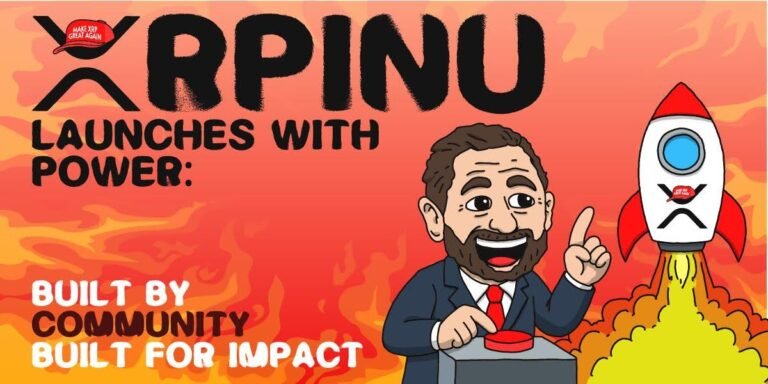
One such presale altcoin is the XRP-inspired memecoin, XRPINU. This new coin has a fast-expanding community that is fueling its presale and, simultaneously, driving traffic to XRP, leading to increased investment. Its carefully curated presale panel, clear tokenomics, swelling social handles, amusing trailer, and clearly verified audit relay a memecoin ready to soar. Experts and early adopters, after evaluating XRPINU’s growth potential, are accumulating ahead of the project’s listing at the projected $0.0001.
What is XRPINU? What Does It Stand For?
XRP is a reputable, highly stable altcoin with loyal long-term investors, but its community aspect is underexplored: that’s where XRPINU comes in. This new memecoin is designed to merge the strong presence of XRP’s utility with the hype driven power of an ambitious memecoin.
The official XRPINU’s domain, xrpinucoin.com, went live on August 14, 2025, and the project drew public attention. Since then, its community is expanding by the day. At the current adoption rate, analysts believe XRPINU could be more successful than Dogecoin and Shiba Inu in the coming months.
Price Outlook: What’s Possible For XRP and XRPINU In The Future
XRP is performing excellently in Q2 2025, even surging to set a new ATH at $3.65. Predictions place XRP at a possible $5 before the year closes, especially now that its legal battle days are behind it. Its influence and investor confidence, especially among institutional players, are booming.
XRPINU is riding on this surging investor interest, soaring quickly only a month after going live. Its ambition goes beyond humor and entertainment. With its well-laid future growth plan, XRPINU could soon establish an independent blockchain ecosystem and have its own dedicated wallet. Could early adopters be betting for massive gains when the project finally adopts a real-world innovative stature?
XRPINU Clear Future Path: A Golden Chance For Early Adopters
Structured to give its investors a head start over other memecoin enthusiasts, XRPINU offers a number of advantages and growth potential.
The presale is now in stage three. Still priced at $0.00002, XRPINU is offering ground-floor backers a chance at potentiallyhuge gains when it lists at $0.0001.
Having set aside a $1,000,000 USDT liquidity pool, investors need not worry about inconveniences arising from sudden withdrawals.
If the project launches at a strategic time, a minimal investment could be gold. Let’s run a hypothetical: With a $200 investment at the currency token price of $0.00002, an investor secures 10 million XRPINU. Say the project lists at $0.002, this small capital then balloons to $20,000. This scenario is highly possible.
Strong Tokenomics as a Strong Foundation For Longevity
The tokenomics of this Dogecoin contender speak volumes, laying its unbreakable foundation into the next memecoin super season.
Presale: 75% [75,000,000,000]
Liquidity (DEX + CEX): 20% [20,000,000,000]
Bonus & Rewards: 3.5% [3,500,000,000]
Marketing: 1% [1,000,000,000]
Team: 0.5% [500,000,000]
This token distribution builds investor confidence by eliminating the likelihood of whale domination and market manipulation. Everyone has an equal chance to dive in deep and maximally benefit. Two additional elements will be put in place where:
The liquidity pool will be locked and inaccessible to the team.
The 3.5% bonus reward allocation and 1% tokens allocated to marketing may be burnt if unused, to maintain optimal distribution.
The goal is to eventually have 99% of all XRPINU tokens controlled by the community, building a strong community-based meme spirit with limitless growth potential.
Conclusion: Now is the Perfect Opportunity to Invest in XRPINU
XRPINU launches at a crucial season, right when investor interest in presale memecoins is surging. The earned profit in the cooling-down altcoin season is flowing into high-potential presale tokens, including XRPINU. What then becomes of early investors when this high-potential cryptocurrency explodes?
This memecoin is bridging humor and the growing influence of Ripple’s XRP. Its strong market entry is not by chance; its influence could shape the memecoin market and catapult its community of investors to the moon.
Contact Details:Name: Franz Schneider
Email:schneider.journalismus@gmail.comAddress: 10 Victory Square, Xaghra, Malta
Disclaimer
This article is purely informational and does not constitute any expert financial advice. The cryptocurrency market remains highly volatile, and there are financial risks involved. Readers should exercise caution and conduct independent research before taking any investment action.
>> Visit the Official Presale Here! <<
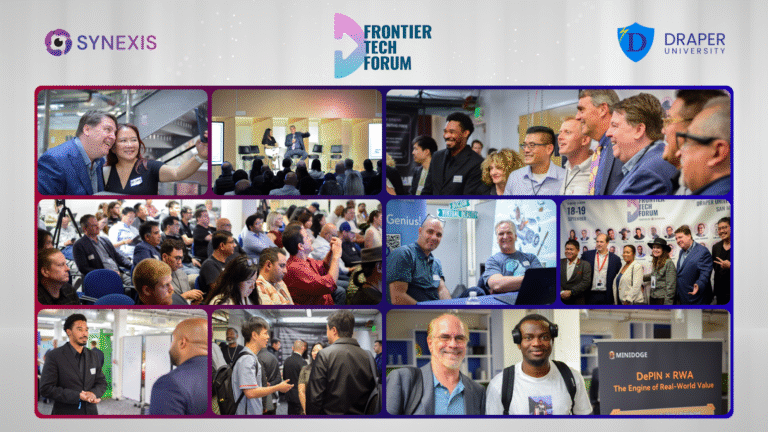
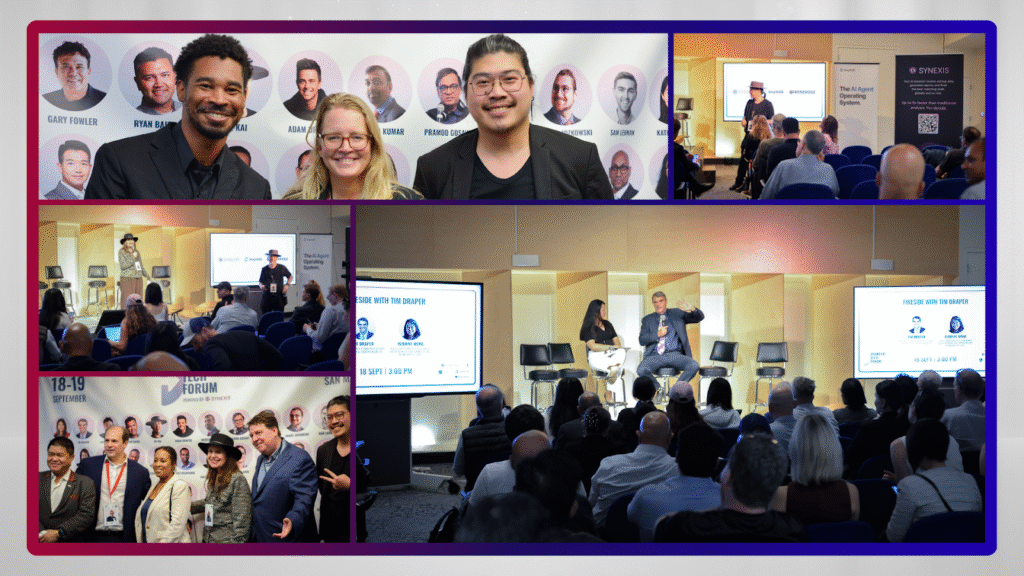
Silicon Valley, USA — September 18–19, 2025. Draper University’s Hero City came alive as the Frontier Tech Forum 2025 convened visionaries at the forefront of AI, robotics, blockchain, quantum computing, cybersecurity, and deep tech. Hosted by legendary investor Tim Draperand his Draper University and co-organized with Synexis and Founders Bay, the Forum brought together more than 60 global leaders from government, capital markets, academia, and technology. Together, they explored how AI, Web3, DePIN, RWA, and cybersecurity can reshape industries and accelerate global innovation.
The two-day forum, designed as a space for builders and funders to collaborate, went beyond hype to explore how frontier technologies are actively reshaping industries and societies. With more than 60 influential speakers and leaders from venture capital, academia, corporate innovation, and government, the event positioned itself as one of Silicon Valley’s most important gatherings of 2025.
The Purpose Behind Frontier Tech Forum
The Frontier Tech Forum was not just another tech conference—it was designed as a crucible for ideas at the cutting edge of science, technology, and capital. In an era where innovation cycles are accelerating faster than regulatory frameworks and public understanding, the Forum’s mission was to create a structured dialogue that puts builders, investors, policymakers, and academics under one roof.
At its core, the Forum sought to:
Bridge Hype and Reality — With so much noise around AI, Web3, quantum, and robotics, the event was organized to move beyond marketing narratives and demonstrate practical applications and long-term roadmaps.
Enable Cross-Disciplinary Collaboration — Innovation does not happen in silos. By uniting experts from government, academia, venture capital, and entrepreneurship, the Forum fostered conversations that cut across sectors, ensuring that ideas could be stress-tested and scaled.
Highlight Investment Pathways — With the presence of capital networks exceeding $700 billion, the event underscored its role as a launchpad for ventures seeking funding while helping investors identify credible opportunities in frontier markets.
Shape the Next Decade — Discussions were intentionally forward-looking, focusing on how frontier technologies will evolve between 2025 and 2035. Whether it was AI’s impact on labor markets, blockchain’s role in finance, or quantum’s implications for trust, the agenda emphasized foresight and preparedness.
Globalize Silicon Valley’s Role — While rooted in Silicon Valley, the Forum had a global lens. Leaders and innovators from across continents contributed perspectives that recognized the interconnected nature of today’s tech landscape.
As one organizer put it, “This Forum was about asking the right questions: not only what these technologies can do, but how they should be deployed to serve humanity.”
A World-Class Lineup of Leaders
The Frontier Tech Forum 2025 brought together an exceptional roster of speakers from government, venture capital, academia, and industry, reflecting the Forum’s mission to unite the world’s top minds at the edge of innovation.
Government:Fiona Ma, California State Treasurer, who overseeing the $3.5 trillion California economy.
Venture Capital:Tim Draper, iconic Silicon Valley investor, Draper Associates ($1.2B AUM), early backer of Tesla, SpaceX, and Coinbase.
Capital Markets:Ryan Baird, Managing Director at Baird Augustine, with access to a $700B+ capital network.
Industry Pioneers:Abhay Mav, VP of Corporate Development at MoonPay, scaling global crypto infrastructure.
Academia:De Kai, AI pioneer, UNESCO expert, and UC professor advancing human–AI collaboration.
Entrepreneurship:Gary Fowler, CEO of GSD Venture Studios, a 17-time founder and unicorn creator.
In addition, senior partners from Blumberg Capital, SkyDeck, Founder Institute, and other leading global institutions were in attendance, underscoring Silicon Valley’s role as a nexus of technology, investment, and innovation.
Frontier Insights: Key Takeaways from the Forum
Over two packed days, the Frontier Tech Forum delivered a series of conversations, debates, and deep dives that underscored both the promise and complexity of frontier innovation. From billion-dollar venture perspectives to groundbreaking academic insights, here are the standout moments:
Tim Draper’s Fireside Chat
The legendary investor shared hard-earned lessons from backing Tesla, SpaceX, and Coinbase, encouraging founders to embrace bold ideas despite the risk. His dialogue with Hermine Wong set the tone for fearless innovation.
De Kai on Human–AI Collaboration
AI pioneer and UNESCO expert De Kai explored the evolving relationship between humans and intelligent systems, asking what “relational intelligence” will mean in the next decade.
Entrepreneurship as the Engine of InnovationGary Fowler, 17-time founder and unicorn builder, reminded the audience that frontier technologies only move forward when paired with entrepreneurial grit and execution.
Blockchain at a Crossroads
Experts like Ryan Baird (Baird Augustine), Alan Leong (SkyDeck), and Abhay Mav (MoonPay) tackled the urgent topics of regulation and investment readiness, highlighting blockchain’s transition from speculation to infrastructure.
Quantum and AGI on the Horizon
Thought leaders unpacked the profound opportunities—and risks—of quantum computing and artificial general intelligence, signaling a future where trust, ethics, and innovation must evolve hand in hand.
Beyond the main stage, curated breakfasts, lunches, and evening happy hours kept the conversations flowing, turning inspiration into potential collaborations.
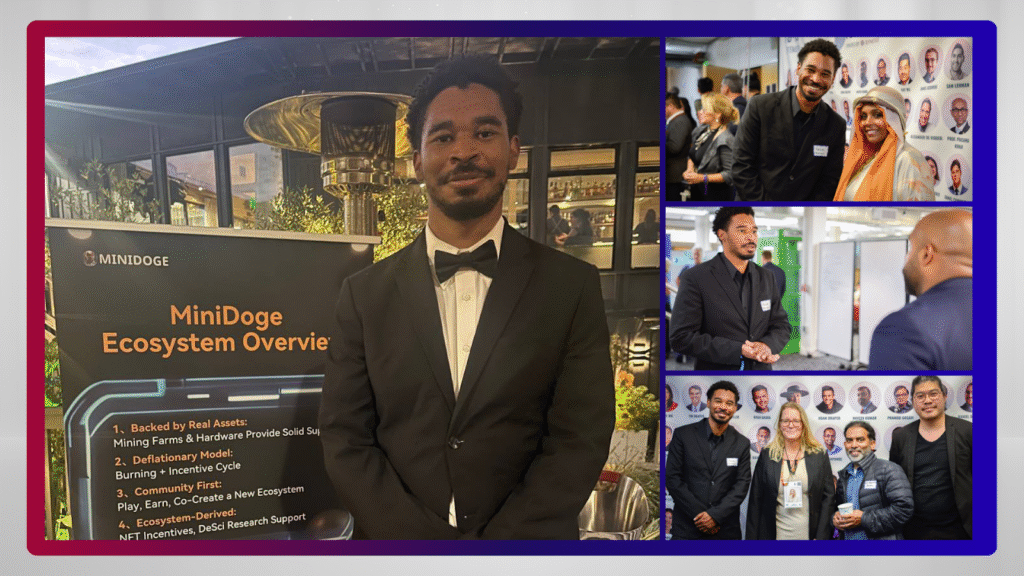
MiniDoge is pioneering the convergence of Meme culture and Web3, combining AI, blockchain, DePIN, and RWA to create an ecosystem that is both engaging and practical. Its recently launched Mini 1Pro blockchain smartphone redefines user experience as a “consume-to-invest” entry point, making Web3 more accessible to mainstream audiences.
The project is rapidly expanding globally, with initiatives spanning academic collaborations with top universities like Stanford, Oxford, and Cambridge, as well as high-visibility cultural activations at events including New York Fashion Week, Miami Art Basel, and pop-ups in Paris, Milan, and Amsterdam.
Reflecting on the event, Aasim Rasheed emphasized the Forum’s larger purpose:
On MiniDoge: “MiniDoge represents a new kind of cultural and technological fusion. By embedding Meme culture into serious blockchain and AI infrastructure, it shows us how Web3 can be both fun and practical—bridging communities with capital networks and mainstream adoption.”
On Frontier Tech: “This is not just about showcasing technology—it’s about shaping how AI, blockchain, quantum, and robotics converge to redefine global systems. The Forum was built to move us from hype into action.”
Rasheed emphasized that MiniDoge and Frontier Tech together illustrate how culture, technology, and capital can converge, creating new opportunities for adoption, collaboration, and social impact.
Orbis86 is proud to co-host Frontier Tech Forum 2025. Our mission is to connect, educate, and activate communities at the intersection of Web3, AI, and real-world adoption. With a global presence across 20+ major conferences and a vibrant network of builders, investors, and thought leaders, Orbis86 is committed to accelerating meaningful innovation.
Global cross-border payment platform and Giakaa Capital bring together family offices, asset managers, and Web3 innovators under the theme “Catalysing Web3 with Capital.”
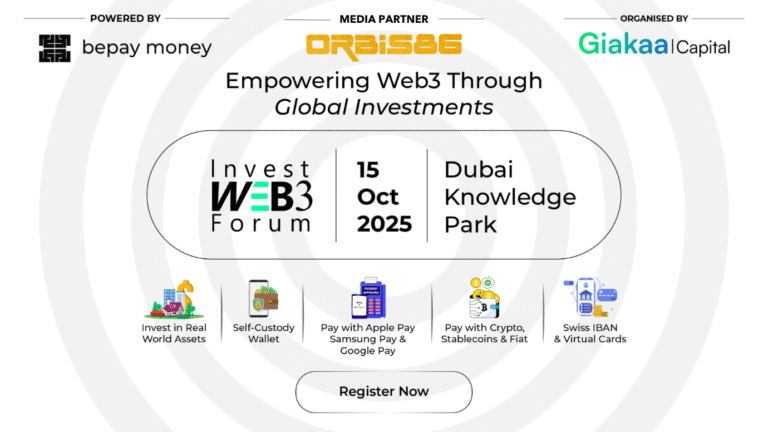
DUBAI, UAE – October 15, 2025 – The Invest Web3 Forum returns for its highly anticipated 3rd edition at Dubai Knowledge Park, powered by bepay money, the global cross-border payment platform. Under the theme “Catalysing Web3 with Capital”, the event convenes representatives managing over $500 billion in assets, 80+ institutional investors, and 2,000+ industry leaders from 50+ countries.
Following $500M+ in deal flow from previous editions, the forum has become a leading platform for institutional blockchain adoption. Dubai’s emergence as a global Web3 hub supported by progressive regulations and significant capital inflows makes it the ideal venue for this institutional gathering.
As the powered-by partner, bepay money showcases its next-generation payment infrastructure, built for users, merchants, and institutions. The platform unifies fiat, stablecoins, and tokenized assets within a single super app delivering instant, FX-free cross-border settlements, integrated DeFi yield access, and institutional-grade compliance.
“Dubai’s position as a global financial hub makes it perfect for demonstrating how bepay money enables fast, compliant, and scalable cross-border transactions for funds, family offices, and exchanges,” said Nawal Kishor, Founder & CEO of bepay money. “This forum provides an unparalleled platform to showcase our solutions to institutional investors, truly ‘Catalysing Web3 with Capital.’”
Key features of bepay money include:
Unified Global Payment Rails – Instant, FX-free transfers across fiat, stablecoins, and Crypto, enabling borderless payments and settlements.
Non-Custodial Super Wallet – Single interface for stablecoin + fiat transactions, DeFi yield, tokenized assets, and daily utility payments.
Merchant Commerce Stack – Accept crypto, fiat, and stablecoins via QR/NFC with instant settlement, AI-powered analytics, CRM, and 3D storefronts.
On/Off Ramp & Tokenized Assets – Seamless conversion between crypto and fiat, with access to gold, real estate, and other tokenized investments.
Compliance-Ready Infrastructure – Built-in KYC/AML, fraud detection, and integration with UAE, USA, India, EU, and global financial standards.
Event Highlights: “Catalysing Web3 with Capital”
Institutional Capital Forum – Strategic Web3 investment approaches for $500B+ AUM representatives
Main Stage Startup Pitch Showcase – Curated founders present to 80+ investors, with bepay money enabling instant cross-border execution
Innovation Theater by bepay money – Live demonstrations of enterprise-grade payment and treasury solutions
Executive Roundtable – Exclusive session on integrating digital assets into generational wealth strategies
Regulatory Leadership Forum – Policymakers and compliance experts on shaping global institutional frameworks
Deal Flow Accelerator – Structured 1:1 meetings connecting high-potential projects with capital allocators
Distinguished Participants
The forum attracts family offices, private equity firms, investment banks, hedge funds, pension funds, crypto exchanges, asset managers, UHNWIs, VCs, policymakers, and corporate innovation leaders, all driving institutional capital deployment into Web3.
Giakaa Capital: Innovation-Driven Investments for a Sustainable Future
As an organizer, Giakaa Capital is a hybrid venture capital firm that builds end-to-end innovation ecosystems, supporting companies from seed stage to IPO. With an integrated model that combines strategic capital, corporate partnerships, and operational expertise, Giakaa empowers entrepreneurs to scale globally. Its investment focus is Digital Public Infrastructure solutions using Blockchain & AI technology aligned with Sustainable Development Goals.
“Bringing the forum to Dubai reflects our mission to build innovation ecosystems connecting entrepreneurs with institutional capital,” stated Omika Dubey, Managing Partner at Giakaa Capital. “Combined with bepay money’s payment infrastructure, this creates unprecedented opportunities for meaningful Web3 investments.”
Registration & Networking
The forum will host 1,000+ professionals, including $500B+ AUM representatives, 80+ institutional investors, 100+ Web3 projects, and 50+ speakers and thought leaders.
Register now at:http://www.investweb3forum.com/
With Dubai as the backdrop, Invest Web3 Forum 2025 sets the stage for the next wave of institutional adoption in digital assets and cross-border finance.
About bepay money
bepay money revolutionizes cross-border payments with a super app unifying fiat, stablecoins, and tokenized assets. Designed for institutional investors, family offices, enterprises, and individuals, the platform delivers instant settlements, DeFi yield access, and regulatory-grade compliance, empowering seamless capital movement worldwide.
Visit:www.bepay.money
About Giakaa Capital
Giakaa Capital is a hybrid venture capital firm backing companies from Seed to IPO. Its integrated model connects entrepreneurs with strategic capital, corporate partnerships, and operational expertise. Our investment focus is on Digital Public Infrastructure solutions using Blockchain & AI technology aligned with Sustainable Development Goals.
Visit:https://www.giakaacapital.com/
About Invest Web3 Forum
The Invest Web3 Forum is the premier conference series for institutional blockchain adoption and Web3 investments. Under “Catalysing Web3 with Capital,” the Dubai edition connects institutional investors managing billions in assets with blockchain innovators in the Middle East’s emerging Web3 hub.
Visit:https://www.investweb3forum.com/
About Orbis86 – Official Media Partner
Orbis86 is revolutionizing Web3 innovation through its Engage – Educate – Elevate approach, engaging users with personalized experiences, educating them on emerging technologies, and elevating their journey with seamless cross-chain integration. Throughout the year, we host global events that bring communities together to explore Web3 and AI, enabling meaningful discussions and collaboration. Our mission is to create an inclusive ecosystem where individuals can learn, grow, and shape the future of decentralized technology.
Visit:https://orbis86.com/
Global campaign highlights how Binance’s products and services are transforming lives and empowering everyday people
September 10, 2025 – Binance, the world’s largest cryptocurrency exchange by trading volume and users, announced the launch of an exciting new content series called ‘Humans of Binance’. This global campaign showcases authentic stories of individuals whose lives have been positively transformed by digital assets and Binance’s ecosystem, illustrating the real-world impact of blockchain technology. As part of its global campaign, Binance is also highlighting the inspiring journey of an Indian user to reflect the aspirations and resilience of millions of users embracing digital assets for empowerment.
From retirees learning new skills to parents striving to build a better future for their children, the series highlights the diverse people powering the blockchain movement. Each story reveals how Binance empowers users to take control of their futures, overcome challenges, and seize new opportunities in an ever-evolving digital economy.
The campaign features Mohit Malhotra, a 42-year-old seasoned marketing leader and devoted father. A passionate blockchain enthusiast and active member of the Binance community since 2018, Mohit sees digital assets as a path to securing a future for his family. His biggest motivation is helping his eldest daughter pursue her dream of becoming a pilot. Through resources like Binance Academy, Mohit deepened his understanding of blockchain literacy, which helped him make informed choices about safeguarding his wealth. His journey reflects how education and access to the right tools can turn ambition into empowerment. Known for his optimism, love for travel, and passion for cars, Mohit embodies the resilience and aspiration that Binance celebrates through this campaign.
“Humans of Binance is more than just a series. I see it as a movement that celebrates the real impact digital assets have on everyday lives,”shared Yi He, Co-Founder of Binance. “Digital assets give people around the world the chance to empower themselves, protect what they’ve worked so hard for. Through these real stories, real people, and real experiences, we get to see the hopes, dreams, and resilience behind the technology. It reminds us why this journey matters so much.”
Kushal Manupati, Regional Growth & Ops Lead of South Asia at Binance, said: “India has always been at the heart of global crypto adoption, and stories like Mohit’s reflect the aspirations of millions of users using technology to build a more secure and empowered future. With India ranked No. 1 in the Global Crypto Adoption Index, initiatives like ‘Humans of Binance’ not only celebrate individual journeys but also highlight how digital assets are becoming deeply embedded in the everyday lives of people here. Our focus is to continue supporting users with education, secure access, and meaningful opportunities that can help them unlock the full potential of blockchain.”
According to the 2025 Global Crypto Adoption Index by Chainalysis, India maintains the No. 1 position globally across all four sub-indices highlighting deep grassroots adoption, including retail and DeFi usage. This highlights the scale of opportunity in the country and reinforces the impact of initiatives like Humans of Binance that amplify real stories from users.
In the following few weeks, Binance will be unveiling a new story every week, with each video shining a light on the challenges, opportunities, and insights that have shaped their respective journeys. The latest videos can be viewed on the ‘Humans of Binance’
As part of the campaign, Binance users worldwide are also invited to share their own unique stories using the hashtag #HumansOfBinance. The most inspiring story submissions will be transformed into short animated films and be rewarded from a prize pool of $8000 worth of USDC. To be eligible, participants also need to complete a brief survey.
As the industry continues to evolve, Binance remains dedicated to supporting users with accessible education, secure platforms, and innovative products that unlock new economic opportunities worldwide.
Binance is a leading global blockchain ecosystem behind the world’s largest cryptocurrency exchange by trading volume and registered users. Binance is trusted by more than 280 million people in 100+ countries for its industry-leading security, transparency, trading engine speed, protections for investors, and unmatched portfolio of digital asset products and offerings from trading and finance to education, research, social good, payments, institutional services, and Web3 features. Binance is devoted to building an inclusive crypto ecosystem to increase the freedom of money and financial access for people around the world with crypto as the fundamental means.